
By Michael Phillips | Tech Bay News / Thunder Report
Assistive Technology (AT) is no longer a niche corner of healthcare policy. It has become a defining test of whether modern societies can pair technological innovation with human dignity—without expanding dependency, bureaucracy, or stigma.
At its core, AT encompasses devices, software, and systems that enable people with disabilities to function independently in daily life, education, and work. From screen readers and speech-to-text software to powered mobility devices and AI-driven prosthetics, AT shifts individuals from reliance to self-sufficiency. That distinction matters—not just morally, but economically.
Research consistently shows that investment in AT improves workforce participation, educational attainment, and productivity while reducing long-term dependence on social services. In other words, AT aligns squarely with a center-right principle: empower individuals rather than expand permanent assistance programs.
America’s Quiet Leadership in Assistive Innovation
The United States has emerged as a global leader in accessible and scalable AT solutions. North America’s assistive technology market—valued at roughly $8.7 billion in recent estimates—benefits from strong private-sector R&D, advanced healthcare infrastructure, and regulatory clarity.
Major U.S. companies have pushed innovation forward not through mandates, but through competition and consumer demand. Recognition programs like Forbes’ Accessibility 100 have highlighted firms such as Apple and Google for embedding accessibility directly into mainstream products. This approach lowers costs, avoids segregation of “special” devices, and exports American design standards globally.
The results are tangible: AI-integrated hearing aids, 3D-printed mobility tools, and customizable prosthetics that reduce price barriers while improving outcomes. U.S.-led philanthropic and public-private efforts—such as global AT scale-up funds—are also positioning American technology as a durable export to low- and middle-income countries.
The Legal Foundation Still Matters
This innovation ecosystem did not appear by accident. It rests on a legal framework that prioritizes access without overregulation—most notably the Americans with Disabilities Act, now more than three decades old.
The ADA’s emphasis on reasonable accommodation, equal access, and non-discrimination helped normalize accessibility in employment, public services, and digital spaces. Unlike more prescriptive international models, the U.S. approach allowed private companies to innovate while meeting clear civil-rights obligations.
Federal agencies, including public-health institutions, increasingly integrate disability data into emergency response and planning—an approach that enhances resilience without creating permanent dependency structures.
AI Is Redefining Assistive Technology
Artificial intelligence is accelerating AT’s evolution from static tools to adaptive systems. Machine learning, computer vision, and natural-language processing are making devices smarter, more personalized, and more affordable.
Key breakthroughs include:
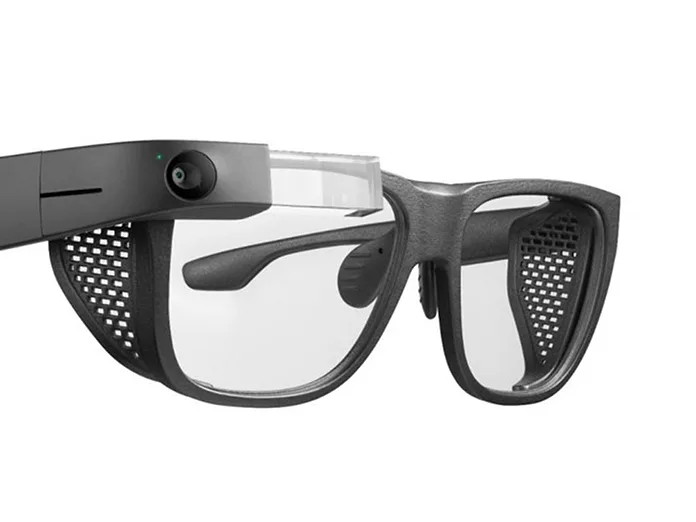
Vision assistance: AI-powered smart glasses and mobile apps now provide real-time scene description, text reading, and object recognition for blind and low-vision users. Products like OrCam and Envision demonstrate how on-device AI reduces reliance on constant human assistance.
Mobility and prosthetics: Smart wheelchairs using LiDAR and predictive navigation reduce collision risk and increase independence. AI-enabled prosthetics increasingly interpret user intent—sometimes via neural signals—creating more natural movement and reducing physical strain.
Communication tools: Eye-gaze systems and predictive speech software are transforming communication for non-verbal users. AI-driven hearing aids now adapt dynamically to sound environments, improving clarity without manual adjustment.
Cognitive and daily-living support: AI assistants help manage routines, reminders, and communication—particularly valuable for neurodivergent individuals or those with cognitive impairments. These tools extend independence without institutionalization.
Showcases at major technology conferences in 2025 highlighted a clear theme: accessibility is no longer an afterthought—it is a design advantage.
What 2026 Signals for Policy and Markets
Looking ahead, AI-driven AT is moving from reactive tools to proactive systems. Agent-based AI assistants could soon manage schedules, summarize meetings, translate speech in real time, and monitor health indicators—reducing caregiver burden while preserving autonomy.
Wearables and augmented-reality glasses are likely to converge into interoperable platforms that assist with navigation, communication, and health monitoring simultaneously. As costs fall, access widens—without requiring expanded entitlement programs.
Robotics may also play a role, particularly in household assistance and elder care, addressing labor shortages while allowing individuals to remain in their homes longer.
These developments raise real concerns about privacy, bias, and data security—areas where light-touch but firm oversight will matter. The challenge for policymakers is to protect civil liberties without choking innovation.
A Strategic Advantage Worth Protecting
Assistive Technology sits at the intersection of innovation, workforce participation, and national competitiveness. As global demand rises—projected to reach billions of users by mid-century—countries that treat accessibility as a growth sector rather than a compliance burden will lead.
The American model—rooted in individual empowerment, market-driven innovation, and durable civil-rights law—has proven effective. The task now is to preserve that balance: encouraging innovation, protecting dignity, and resisting the temptation to turn accessibility into another centralized bureaucracy.
If done right, Assistive Technology may become one of the United States’ most underappreciated strategic advantages in the coming decade.




 TechBay.News
Leave a comment