By Tech Bay News Staff
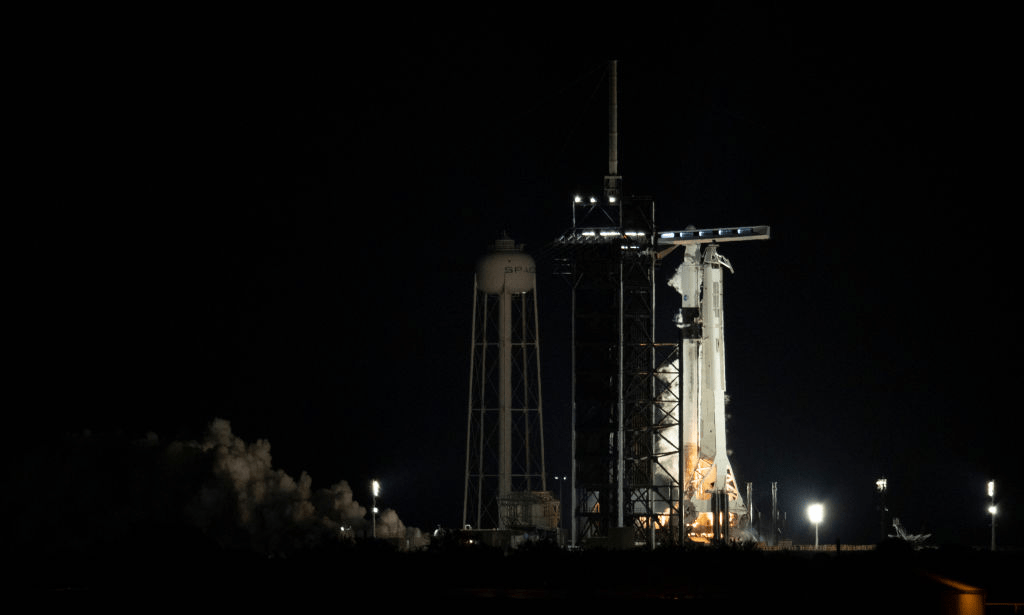
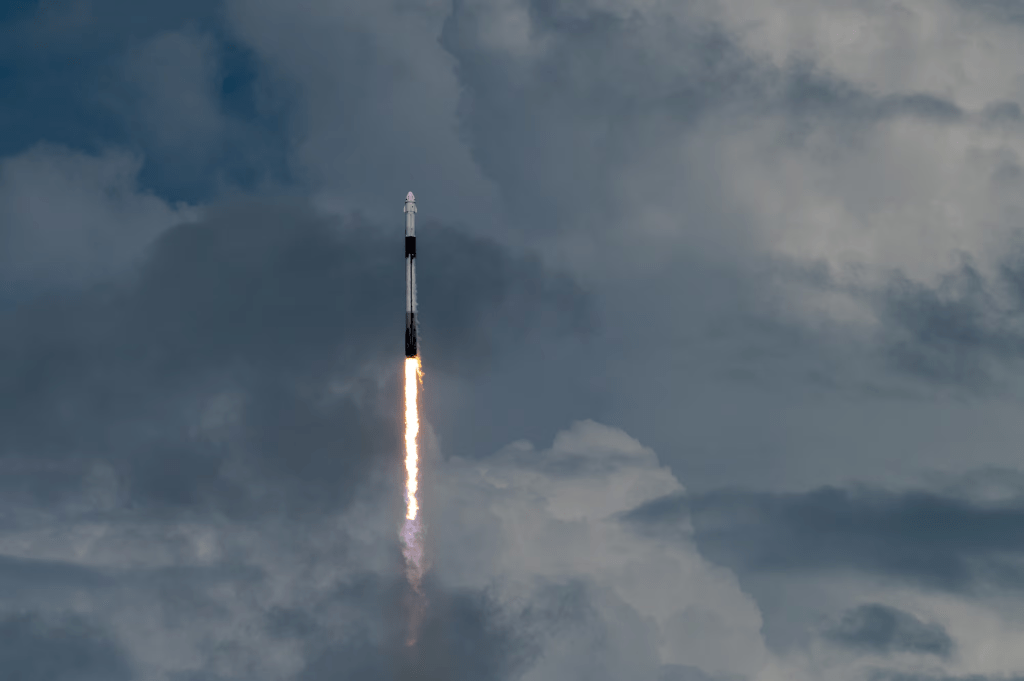
SpaceX successfully launched the GPS III SV09 satellite this week, delivering the spacecraft to orbit on behalf of the U.S. Space Force in a mission that highlights both the reliability of commercial launch providers and the strategic importance of resilient space infrastructure.
The satellite lifted off aboard a Falcon 9 from Cape Canaveral Space Force Station, continuing a steady cadence of national security launches that have become routine for the company. The mission placed the ninth satellite in the modernized GPS III constellation into its intended orbit, where it will join the broader Global Positioning System that underpins everything from civilian navigation apps to military operations worldwide.
A Backbone Technology, Quietly Modernized
The GPS III program represents a significant upgrade over earlier generations, offering improved accuracy, stronger anti-jamming capabilities, and enhanced cybersecurity protections. While GPS is often taken for granted by consumers, defense planners view the constellation as critical infrastructure—one that must be continuously refreshed to stay ahead of emerging threats, including electronic warfare and cyber intrusion.
GPS III SV09 is designed to provide up to three times greater accuracy for civilian users and improved resilience for military signals, reinforcing U.S. leadership in positioning, navigation, and timing (PNT) technologies.
Commercial Launch, Strategic Impact
For center-right observers, the mission is another data point in favor of leveraging private-sector efficiency for core government needs. By relying on competitively priced, flight-proven launch vehicles, the Space Force has been able to reduce costs, shorten launch timelines, and increase flexibility—without compromising mission assurance.
This public-private model stands in contrast to earlier eras of exclusively government-built launch systems, which were often slower, more expensive, and less adaptable. SpaceX’s reusable booster architecture, now demonstrated across dozens of national security flights, has become a cornerstone of that shift.
Reliability as Deterrence
Beyond the technical success, launches like GPS III SV09 serve a broader strategic purpose. Demonstrating the ability to rapidly and reliably deploy critical satellites sends a signal to adversaries that the United States can sustain—and if necessary, reconstitute—its space-based capabilities.
As space becomes increasingly contested, maintaining that edge will depend not only on advanced spacecraft, but on the industrial and launch base that supports them.
With GPS III SV09 now on station, the U.S. continues the quiet but consequential work of modernizing the systems that keep both the civilian economy and national defense running—one successful launch at a time.
Tech Bay News covers technology, space, and national security innovation shaping the future of American infrastructure and industry.



 TechBay.News
Leave a comment