By TechBay.News Staff
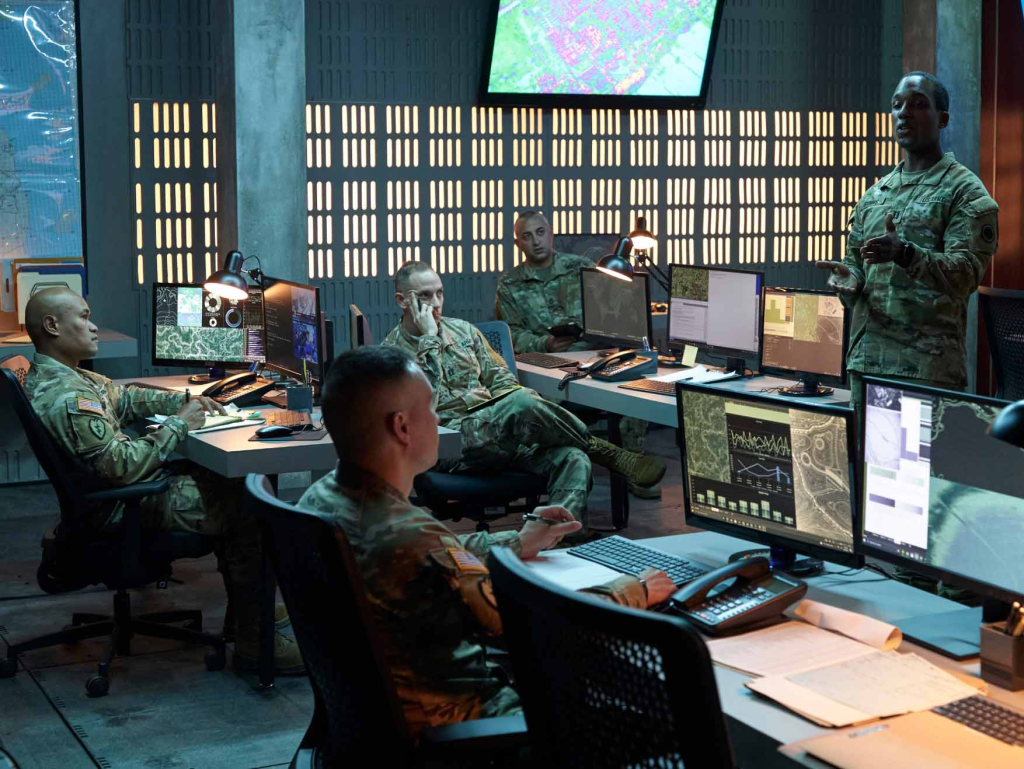
The Pentagon is accelerating its push into computer warfare, signaling a major shift in how the U.S. military prepares for conflict in an era where keyboards can be as decisive as missiles. According to recent reporting, the Department of Defense is investing heavily in cyber operations designed to disrupt, disable, or manipulate adversaries’ military and civilian networks—often below the threshold of traditional armed conflict.
At the center of this effort is the recognition that future wars may be won or lost before a single shot is fired. From disabling command-and-control systems to targeting logistics software and communications infrastructure, computer warfare has become a core pillar of modern defense strategy.
From Support Function to Frontline Capability
For years, cyber tools were treated as a support function—useful for intelligence gathering or defensive hardening of networks. That posture is changing. Pentagon planners now view offensive cyber operations as a frontline capability, one that can deter adversaries, shape battle conditions, or even replace kinetic strikes in certain scenarios.
Unlike conventional weapons, cyber tools can be deployed quietly, scaled rapidly, and tailored to specific targets. A well-timed digital attack could delay troop movements, ground aircraft, or disrupt supply chains without triggering immediate escalation.
Supporters argue this approach offers strategic advantages: lower cost, reduced risk to U.S. personnel, and greater flexibility in responding to gray-zone threats from rivals such as China, Russia, Iran, and North Korea.
Strategic Benefits—and Serious Risks
The expansion of computer warfare is not without controversy. Cyber weapons are notoriously difficult to contain. Malware designed for a specific military target can spread unexpectedly, affecting civilian systems or even friendly networks. Attribution is also murky, increasing the risk of miscalculation or retaliation based on incomplete information.
There is also the question of oversight. Unlike traditional weapons programs, cyber operations often operate under high levels of secrecy, raising concerns about accountability, mission creep, and unclear rules of engagement.
From a center-right perspective, the challenge is balancing strength with restraint. A capable cyber force is essential for deterrence, but it must be governed by clear doctrine, strong civilian control, and coordination with allies who may share exposure to digital blowback.
The Deterrence Equation in the Digital Age
The Pentagon’s move reflects a broader reality: adversaries are already operating in cyberspace every day. U.S. government agencies, defense contractors, utilities, and hospitals are constant targets of probing attacks. Failing to develop credible offensive and defensive cyber capabilities would leave the nation vulnerable.
However, deterrence in cyberspace is fundamentally different from nuclear or conventional deterrence. Red lines are harder to define, proportional responses are harder to measure, and escalation can happen invisibly and quickly.
That makes doctrine, transparency with Congress, and alliance coordination more important—not less—as cyber operations become normalized tools of state power.
Why This Matters for Tech Policy
Computer warfare sits at the intersection of national security and technology policy. The same innovations powering cloud computing, AI-driven analytics, and network automation are also reshaping military operations. Decisions made at the Pentagon will ripple outward, influencing cybersecurity standards, public-private partnerships, and the role of tech companies in national defense.
For policymakers, the task ahead is clear: build a cyber force that is strong enough to deter adversaries, disciplined enough to avoid unnecessary escalation, and accountable enough to maintain public trust.
In the digital age, national defense is no longer confined to land, sea, air, and space. The battlefield now includes servers, networks, and code—and the Pentagon is making it clear it intends to compete, and if necessary fight, there too.



 TechBay.News
Leave a comment