Bay Area & Regional Tech
- California
- Mid-Atlantic
- Texas
- Florida
- National

Seeing Beneath the Surface: New 3D Color Imaging Breakthrough Could Transform Medical Diagnostics
Scientists have developed a groundbreaking imaging technique that enables three-dimensional, full-color visualization of the human body, enhancing medical diagnostics and surgery. This technology captures depth and color data, offering insights into tissue composition and disease. With potential applications in cancer detection and surgical planning, it promises improved healthcare outcomes and efficiency.

AI Models Are Getting Better — Quietly Reshaping Power, Productivity, and Accountability
The evolving landscape of artificial intelligence is marked by improved core models that emphasize reliability and efficiency over hype. As these models enhance productivity without replacing human roles, businesses are increasingly able to integrate AI into existing workflows. This shift signifies a critical moment in AI’s impact on the economy and competitiveness.

Musk’s Power Stack: Why the SpaceX–xAI Merger Raises Real Tech Governance Questions
Elon Musk plans to merge SpaceX with his AI venture, xAI, enhancing vertical integration across aerospace and artificial intelligence. While this could boost American competitiveness, it raises significant concerns about accountability, national security, and regulatory challenges. Policymakers must ensure that innovation does not lead to unregulated power concentration in technology sectors.

Pentagon Expands Computer Warfare Capabilities as Digital Battlefields Grow
The Pentagon is intensifying its focus on computer warfare, viewing it as a crucial frontline capability for modern defense. This shift highlights the importance of cyber operations in disrupting adversaries without traditional conflict. However, the expansion of cyber warfare presents risks such as uncontrollable malware and unclear rules of engagement, necessitating careful oversight.

Former Google Engineer Convicted of Stealing Confidential AI Technology
A federal jury convicted a former Google engineer of economic espionage for stealing trade secrets related to AI technologies to benefit entities linked to China. This case highlights national security concerns regarding AI, prompting increased internal security measures in tech companies and reinforcing the view of AI as a strategic national asset.

AI Models Are Getting Better — Quietly Reshaping Power, Productivity, and Accountability
AI is evolving from impressive but inconsistent models to more reliable systems that enhance productivity across various sectors. This shift emphasizes operational excellence over flashy demonstrations. Companies must adopt AI responsibly while ensuring accountability. As AI becomes more reliable and integrated, its impact on productivity and competitiveness will grow, reshaping business landscapes.

State Attorneys General Target Grok and xAI, Opening a New Front in the AI Regulation Wars
A coalition of state attorneys general is investigating xAI’s chatbot, Grok, marking a shift in AI regulation away from federal oversight. The inquiries focus on consumer protection and misinformation risks. This state-led approach highlights a fragmented regulatory landscape, raising concerns about innovation and compliance for tech companies lacking cohesive national standards.

Robot Snow Blowers Face Their First Real Test as Winter Storms Hit Suburbs
As winter storms challenge autonomous robot snow blowers, their capabilities are being tested in real-world conditions. While products like the Yarbo demonstrate advancements in technology and automation, they struggle with deep snow and extreme cold. These robots serve as assistive tools for winter maintenance, not complete replacements, underscoring the ongoing evolution of consumer robotics.

SpaceX Launches GPS III SV09 for U.S. Space Force, Underscoring Public-Private Momentum in National Security Space
SpaceX successfully launched the GPS III SV09 satellite for the U.S. Space Force, enhancing the modernized GPS constellation crucial for both civilian and military applications. This launch highlights the benefits of private-sector efficiency in national security, promising improved accuracy and resilience while showcasing U.S. capabilities in space infrastructure and defense.

Supreme Court to Decide How a 1988 Video Privacy Law Applies to Online Streaming
The U.S. Supreme Court will evaluate the Video Privacy Protection Act’s applicability to modern streaming platforms, originally designed for VHS rentals. A ruling could influence data practices and privacy compliance, balancing concerns between protecting user privacy and preventing regulatory overreach. This case highlights the growing gap between outdated laws and current technology.

Google Pays $68 Million to Settle Voice Assistant Privacy Claims
Google has settled a lawsuit for $68 million over allegations that its voice assistant recorded users without proper consent. The case highlights ongoing privacy concerns regarding always-on technology. While Google maintains that recordings occur only after activation, the settlement signals a need for clearer consent and privacy practices in the tech industry.
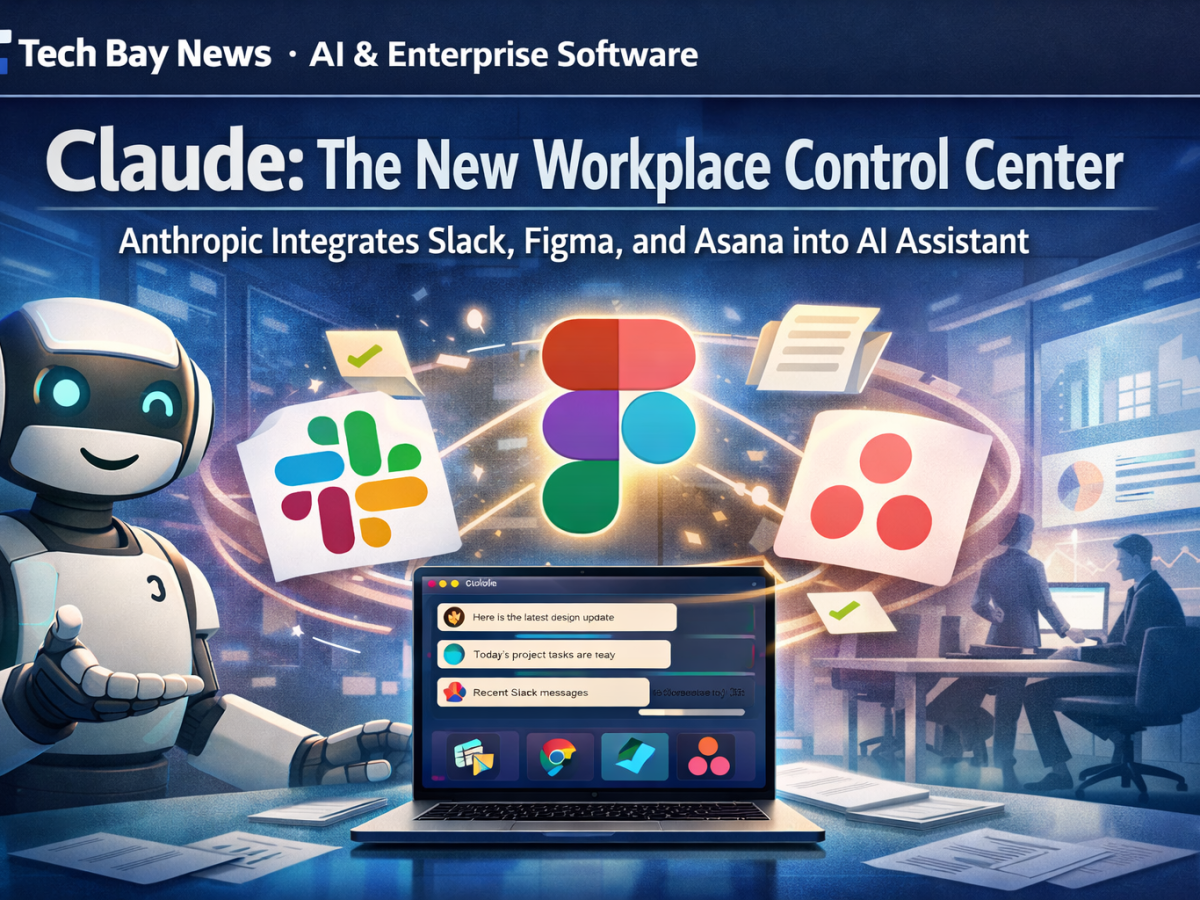
Anthropic Embeds Slack, Figma, and Asana Into Claude—Turning AI Chat Into a Workplace Control Center
Anthropic is transitioning its AI, Claude, into a central work interface by integrating it with major platforms like Slack, Figma, and Asana. This shift reflects a focus on AI as operational infrastructure rather than novelty tools, emphasizing trust and integration in enterprise workflows, raising significant questions about data governance and control in organizations.

France Pushes Sweeping Social Media Ban for Children, Reigniting Global Tech Debate
France is proposing strict regulations to limit children’s access to social media, requiring parental consent for platforms like TikTok and Instagram. Supporters view this as essential for child protection, while critics warn it risks government overreach and surveillance. This move signals a shift in how democracies may confront Big Tech’s influence on youth.

Pinterest Cuts Nearly 15% of Workforce as It Shifts Resources Toward AI
Pinterest is cutting nearly 15% of its workforce, redirecting resources to artificial intelligence amid a competitive digital advertising landscape. The layoffs, affecting hundreds, highlight a strategic shift toward AI investment over job stability. This trend mirrors broader tech industry patterns, raising concerns about workforce implications and the prioritization of automation over personnel.

TikTok’s U.S. Joint Venture Deal Raises New Questions About Data Security and Corporate Control
TikTok’s last-minute agreement to restructure its U.S. operations as a joint venture with American investors may prevent an immediate ban, but critics argue it fails to adequately address national security concerns. Skeptics emphasize that control over algorithms and data flows remains a critical issue, leaving broader debates about foreign tech influence unresolved.

Apple Watch A-Fib Study Shows Consumer Tech Can Strengthen—Not Replace—Standard Care
A recent study shows that using the Apple Watch for atrial fibrillation monitoring matches traditional care in effectiveness while enhancing early detection rates. This suggests that consumer technology can improve health outcomes without increasing bureaucracy. It advocates for patient empowerment and continuous monitoring as alternatives to current healthcare systems, fostering innovation and better care.

NIST Review Raises Red Flags About the Future of the CVE and NVD Systems
A recent internal review by NIST has revealed that the federal infrastructure for tracking software vulnerabilities is increasingly overwhelmed and unable to keep pace with modern cybersecurity threats. Staffing shortages and process bottlenecks lead to a backlog of vulnerabilities. The findings raise significant concerns for enterprises relying on timely vulnerability analysis for risk management.

Musk Promises “Robots for All”—and Predicts AI Will Surpass Humanity Within Five Years
Elon Musk says humanoid robots will soon be everywhere—and that artificial intelligence could surpass all of humanity within five years. Whether it’s a breakthrough moment or a warning sign, the pace of change is accelerating faster than policymakers are ready for.
The AI Productivity Paradox: Why the AI Boom Isn’t Showing Up Where It Counts
Despite widespread adoption of generative AI across corporate America, productivity gains remain elusive. A recent study reveals that while AI tools reduce friction and improve confidence, they often do not increase output or speed due to existing bureaucracies and misaligned incentives. Real organizational change is necessary to leverage AI effectively.
OpenAI’s New Revenue Frontier: Taking a Cut of AI-Discovered Breakthroughs
OpenAI is considering a revenue-sharing model, seeking a percentage of profits from AI-assisted discoveries, particularly in high-value sectors like drug discovery. This shift raises important questions about ownership, governance, and the role of AI providers. As they evolve from tool providers to stakeholders, implications for competition and ethics must be addressed.

Amazon Signals 14,000 White-Collar Jobs at Risk as Cost Discipline Tightens
Amazon plans to eliminate up to 14,000 corporate jobs, focusing primarily on management and support roles, as part of a strategy to streamline operations and increase efficiency. This reflects a broader trend in the tech industry towards reducing bureaucracy and enhancing accountability, signaling that growth at any cost is no longer sustainable.

The AI Application Arms Race Is Breaking the Job Market
The online job market in 2026 has become disordered due to rampant AI automation, resulting in a flood of identical applications that overwhelm employers. This “AI Doom Loop” filters out genuine candidates while benefiting platform vendors. Job seekers are advised to prioritize direct applications and networking as automated systems thrive on volume, not quality.

Product Review: Google NotebookLM
NotebookLM is Google’s AI research assistant designed to help users synthesize information from provided sources, rather than generate new content. It excels in source-bounded reasoning and organizing meaning from dense material, making it useful for researchers and analysts. However, it requires quality input and thoughtful prompts, limiting its collaborative potential.
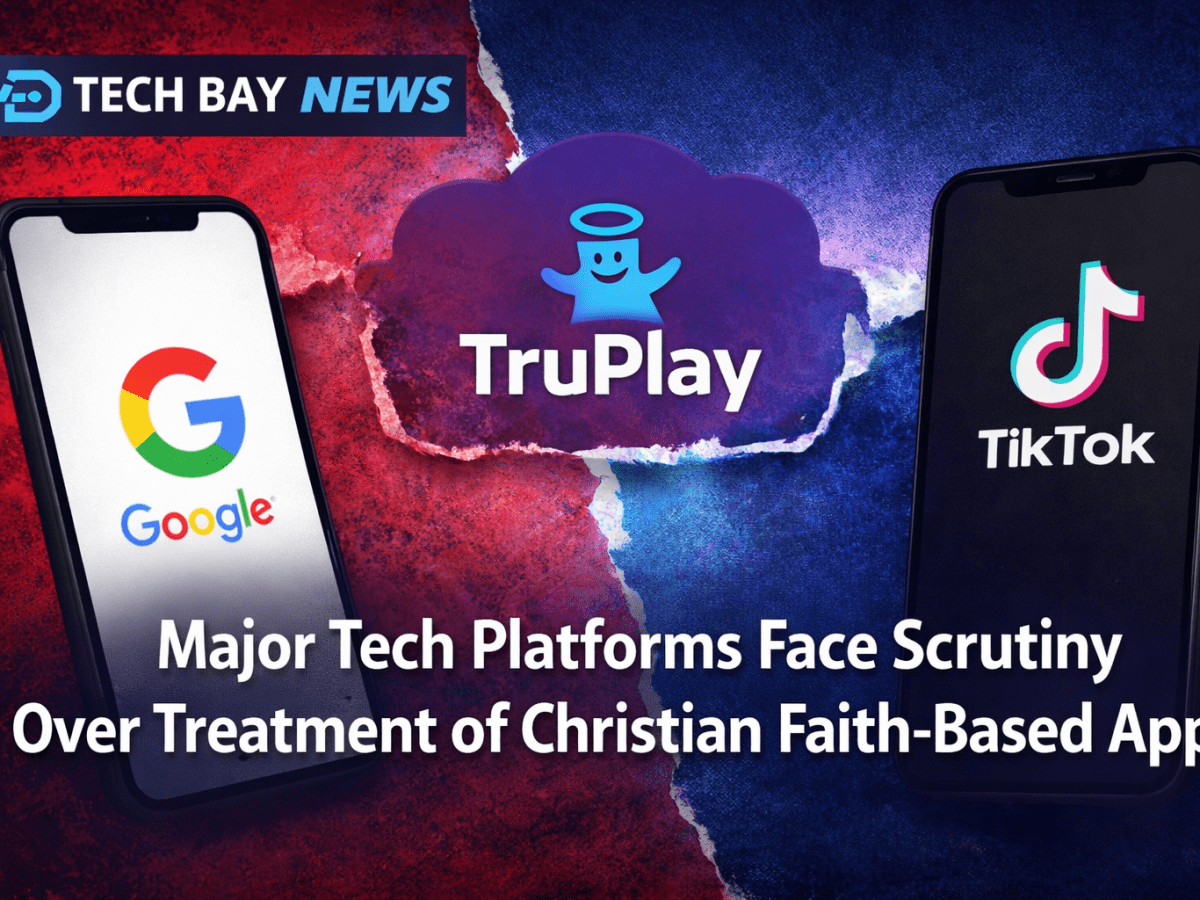
Faith-Based Apps and the Tech Gatekeepers: The TruPlay Dispute Raises New Questions About Platform Neutrality
TruPlay, a Christian family entertainment app, claims to face unfair treatment by Google and TikTok, highlighting concerns over major platforms’ neutrality and content moderation policies. Critics argue these platforms favor controversial content over faith-based viewpoints, raising questions about their role as cultural gatekeepers and the impact on market access for niche platforms.
Artificial Intelligence and the Great Divergence: A Technology Shift That May Redraw the Economy
A new White House report, “Artificial Intelligence and the Great Divergence,” highlights AI as a structural force reshaping the U.S. economy. It notes that benefits may unevenly favor large firms and skilled workers while creating a digital divide. The report emphasizes the need for strategic federal engagement to ensure equitable access and innovation.

Navy Expands 3D Printing to Frontline Fleet Operations in 2025
The U.S. Navy plans to implement shipboard 3D printing in frontline fleet operations by 2025 to enhance readiness and reduce logistics dependence. This initiative allows sailors to produce essential parts rapidly onboard, improving operational efficiency and resilience against supply chain disruptions. It emphasizes modernization through proven technology while training personnel for effective usage.

When the Dashboard Says “Green” but Everyone Knows It’s Failing
Many technology failures stem from overlooked signals amidst apparent project health. As teams fixate on maintaining momentum and avoiding risks, critical reassessments become unspeakable. Despite competence and experience, decision-making narrows, leading to misalignment and an inability to adapt. Successful projects include designated moments for essential reevaluation, preventing inevitable failure.

Why Tech Decisions Fail Even When the Tools WorkStrategy Note
The predominant cause of failed technology projects is often not technical issues but poor decision-making. Successful project execution hinges on clear governance, defined success metrics, and effective risk management. Organizations must address these upstream failures and critically assess decision structures to avoid repeating mistakes as technology evolves, especially with AI.

AI as Accommodation in the Courtroom: Why Self-Represented Litigants Need It MostBy Tech Bay News Staff
Artificial intelligence is increasingly vital for self-represented litigants and those facing legal complexities, acting as an accessibility tool rather than a procedural threat. Courts often inadequately assist these individuals, leading to a two-tier system. Embracing AI can modernize justice, improving access and support for disadvantaged parties in legal proceedings.

AI as Accommodation: Why Higher Education Is Missing the PointBy Tech Bay News Staff
As colleges grapple with AI in classrooms, many argue that viewing it solely as a cheating threat overlooks its potential as an essential accessibility tool for students with disabilities. AI can effectively replace traditional accommodations, promoting inclusivity. Higher education policies must evolve to recognize AI’s role in enhancing learning and equity.
 TechBay.News