Courts, Risk & Accountability
- Tech Litigation
- Procurement & Contracting
- Compliance & Audits
- Whistleblowers
- Corporate Misconduct

Former Google Engineer Convicted of Stealing Confidential AI Technology
A federal jury convicted a former Google engineer of economic espionage for stealing trade secrets related to AI technologies to benefit entities linked to China. This case highlights national security concerns regarding AI, prompting increased internal security measures in tech companies and reinforcing the view of AI as a strategic national asset.

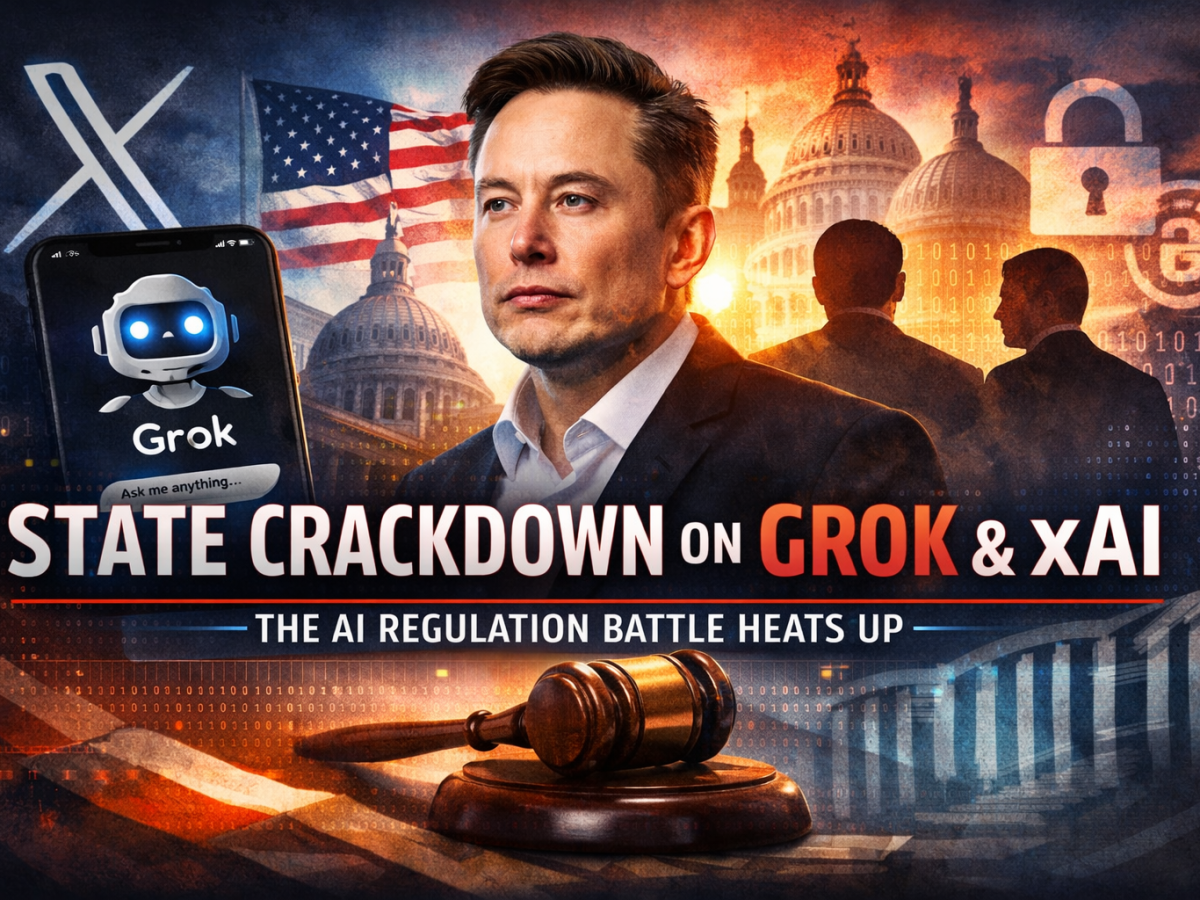
State Attorneys General Target Grok and xAI, Opening a New Front in the AI Regulation Wars
A coalition of state attorneys general is investigating xAI’s chatbot, Grok, marking a shift in AI regulation away from federal oversight. The inquiries focus on consumer protection and misinformation risks. This state-led approach highlights a fragmented regulatory landscape, raising concerns about innovation and compliance for tech companies lacking cohesive national standards.

Supreme Court to Decide How a 1988 Video Privacy Law Applies to Online Streaming
The U.S. Supreme Court will evaluate the Video Privacy Protection Act’s applicability to modern streaming platforms, originally designed for VHS rentals. A ruling could influence data practices and privacy compliance, balancing concerns between protecting user privacy and preventing regulatory overreach. This case highlights the growing gap between outdated laws and current technology.
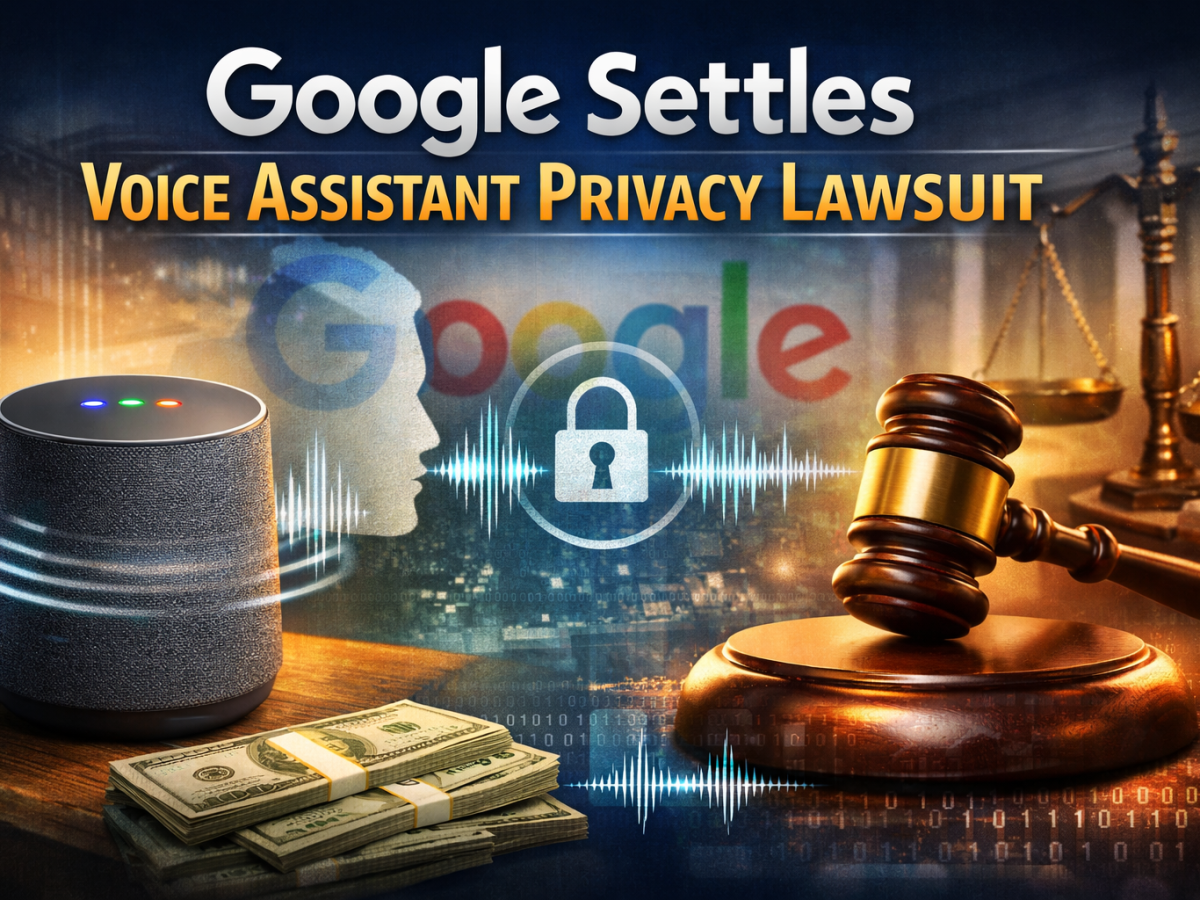
Google Pays $68 Million to Settle Voice Assistant Privacy Claims
Google has settled a lawsuit for $68 million over allegations that its voice assistant recorded users without proper consent. The case highlights ongoing privacy concerns regarding always-on technology. While Google maintains that recordings occur only after activation, the settlement signals a need for clearer consent and privacy practices in the tech industry.

Drake Named in New RICO Lawsuit Alleging Illegal Gambling and Streaming Manipulation
A newly filed federal lawsuit in Virginia accuses rapper Drake, influencer Adin Ross, and gambling platform Stake.us of operating an illegal online betting scheme while allegedly manipulating music streaming algorithms. The case highlights growing concerns over influencer-driven platforms, unregulated money flows, and regulatory blind spots in the digital economy.
AI Copyright Battles Enter a Pivotal Year as U.S. Courts Weigh Fair Use
The legal battle over AI and copyright is intensifying as U.S. courts prepare for key rulings in 2026. Central to the debate is whether copyrighted works can be used for AI training under fair use or if firms must license content. Outcomes will impact AI’s innovation pace and creative industries’ economics.

Google Faces New Privacy Lawsuit Over Gemini AI and Gmail Data Access
A class-action lawsuit against Google alleges the company enabled AI-powered features in Gmail without user consent, violating privacy laws. Filed by Thele v. Google LLC, it claims these features access sensitive information by default, raising transparency issues. Critics emphasize the need for clearer consent mechanisms amid increasing concerns about data privacy.
AI Hallucinations Reach the Courtroom: A Wake-Up Call for the Legal System
Generative AI is reshaping professional work, but its misuse in Pennsylvania courts poses serious risks. Judges are increasingly concerned about “AI hallucinations” in legal documents, which can lead to fabricated citations and errors. This situation emphasizes the importance of accountability and professional standards in the legal field, highlighting that AI should complement, not replace, responsibility.

AI Enters the Family Courtroom—But It Won’t Replace Judgment in 2026
By 2026, AI will play a supportive role in family courts, assisting overwhelmed litigants and managing case volume while preserving human decision-making, particularly in custody matters. Although AI offers tools to improve efficiency for self-represented parents, concerns about bias, ethics, and privacy remain crucial as courts implement these innovations cautiously.
 TechBay.News